24/7 Emergency Line
+1-844-578-1604 — 24/7
BLACK
Stachybotrys Protocol — Long Lake, IL

Black Mold Removal in Long Lake —
Not Color. Species. Proven Protocol.

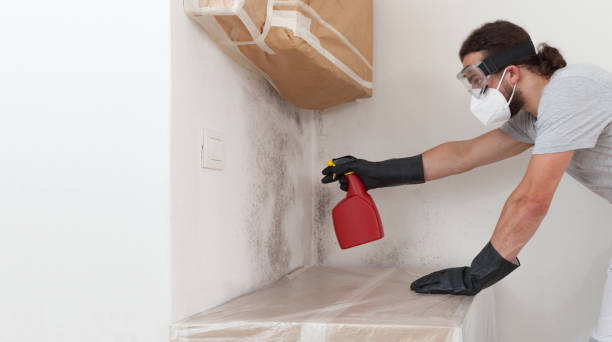
Black-colored mold in your Long Lake property is not automatically Stachybotrys chartarum. Several common mold species appear dark — Cladosporium, Aspergillus niger, Aureobasidium — and each requires different containment tier, PPE level, and disposal approach. Applying enhanced Stachybotrys protocol to Cladosporium costs property owners thousands in unnecessary measures. Applying standard protocol to confirmed Stachybotrys is inadequate. Species confirmation via lab analysis before scoping is the professional approach.

Species
Lab Confirmed
Type III
Containment Tier
IH
Supervised Clearance
Licensed Black Mold Removal service in Long Lake, IL - Cheap Mold Removal
📋Lab Species Confirmation
😷N100 PPE Protocol
🔥Type III Containment
✅IH-Supervised Clearance
$Post-Confirmation Scope
01
Why Choose Us — Long Lake, IL

Four Standards Our Long Lake, IL Black Mold Crews Maintain

Confirm first. Scope after confirmation. Contain before disturbance. Verify with independent IH. In that order.

Species Confirmation Before Enhanced Protocol
Applying Type III containment, N100 PPE, and enhanced disposal to Cladosporium or Aspergillus niger (dark-colored but not Stachybotrys) costs significantly more than the appropriate protocol for those species without improving the outcome. Applying standard protocol to confirmed Stachybotrys chartarum is inadequate for a mycotoxin-producing organism. We confirm species before scoping to match the protocol to the actual finding.
Containment Before Any Disturbance
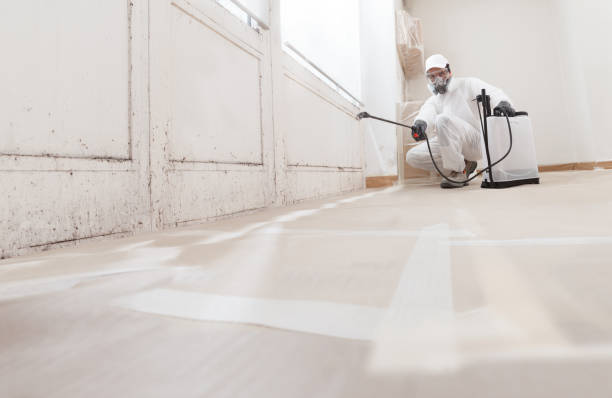
Type III enhanced containment — double poly, HEPA negative air, decon station — established before the first contact with any Stachybotrys-confirmed material.
Complete Porous Material Removal
Stachybotrys grows into the matrix of porous cellulosic materials — the paper face of drywall, wood fiber in framing — and produces mycotoxins throughout that matrix. Biocide application to Stachybotrys-contaminated drywall or framing kills surface mold cells but cannot neutralize the mycotoxin-laden substrate material. Complete physical removal of all contaminated porous substrate is the required protocol, not optional.
IH-Supervised Post-Clearance with Viable Culture
Post-clearance verification for Stachybotrys should include viable culture plates alongside spore traps — confirming absence of live Stachybotrys cells, not just absence of dead spore counts in the spore trap. IH supervision ensures the clearance sampling protocol is appropriate for the species involved and the clearance report carries independent credibility.
02
Service Solutions — Long Lake, IL

What Our Long Lake Black Mold Team Does

Each service below reflects the specific requirements of confirmed or strongly suspected Stachybotrys chartarum in a Long Lake, IL property.

Confirmation
📋
Species Confirmation via Lab Analysis
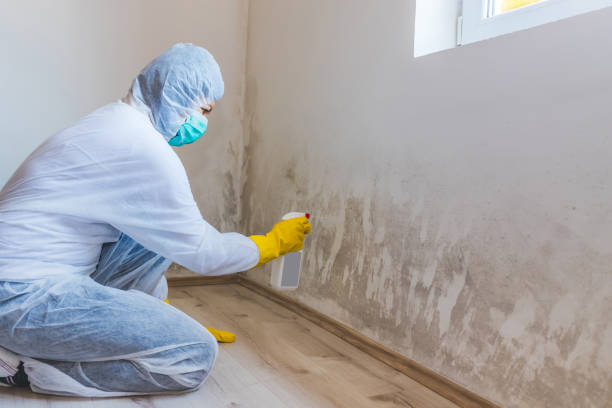
Surface swab or tape lift samples from dark-colored growth sent to accredited lab for culture analysis. Species identification within 5–7 business days. Scope is written after confirmation, not assumed from visual assessment alone. For situations where visible growth characteristics and moisture conditions strongly suggest Stachybotrys, enhanced containment can be established before lab confirmation returns.
Accredited Lab
5-7 Day Culture
Pre-Scope Confirmation
Containment
🔥
Type III Enhanced Containment Setup
Complete Type III setup before first contact: double poly, HEPA negative air, decon mat, Tyvek, N100. No shortcuts on a confirmed Stachybotrys job.
Double Poly
HEPA Neg. Air
Decon Station
Removal
🔨
Complete Porous Substrate Removal
All Stachybotrys-contaminated porous materials — drywall, insulation, ceiling tile, carpet, wood framing sections — removed completely, double-bagged in heavy-duty poly, and disposed of through documented waste channels. No in-place biocide treatment is substituted for removal of confirmed contaminated porous substrate.
Complete Removal
Double-Bagged
Documented Disposal
Treatment
💧
Structural Surface Treatment & Encapsulation
HEPA vacuum, EPA fungicide, penetrating borate, encapsulant. All exposed structural surfaces in the remediated zone.
HEPA Vacuum
EPA Fungicide
Borate + Encapsulant
Moisture
💧
Moisture Source Identification & Correction
Stachybotrys chartarum requires continuous wetness on cellulosic material to establish. Its presence confirms a sustained moisture source. We identify and document the source — plumbing leak, roof infiltration, HVAC condensate, slab leak — and provide specific corrective recommendations as part of every Long Lake, IL Stachybotrys job scope.
Source Identified
Documented
Correction Specified
Clearance
✅
IH-Supervised Clearance with Viable Culture
Independent IH collects post-clearance samples: spore trap cassettes and viable culture plates from the remediated zone, adjacent areas, and outdoor comparative locations. Accredited lab processes both sample types. Written clearance report documents absence of live Stachybotrys cells — not just reduced spore counts — and confirms the removal was contained (no elevated adjacent area counts).
Spore Trap + Culture
Zone + Adjacent
IH Written Report
Professional Black Mold Removal technician working in Long Lake, IL
03
Process — Long Lake, IL

Confirmed Black Mold in Long Lake — Step by Step

1
Step 01
Species Assessment
24/7 live dispatch. Enhanced containment deployed same-day for confirmed or high-probability Stachybotrys in Long Lake, IL.
2
Step 02
Before Any Disturbance
Surface sample to accredited lab. Type III containment established before any material disturbance. Enhanced containment doesn't wait for lab results when visual presentation strongly suggests Stachybotrys — confirmation informs final scope details.
3
Step 03
Complete Removal & Structural Treatment
All contaminated porous substrate removed completely. Structural surfaces HEPA-vacuumed, EPA fungicide applied, borate penetrant applied, encapsulant sealed. Moisture source corrected or documented for correction.
4
Step 04
IH Clearance — Spore Trap + Viable Culture
Written IH clearance: spore trap + viable culture, zone + adjacent, outdoor comparative.
24/7 Emergency Black Mold Removal experts in Long Lake, IL
04
Client Reviews — Long Lake, IL

What Long Lake Property Owners Say

★★★★★
Another company told us to bleach the visible Stachybotrys in our Long Lake basement and seal it with encapsulant. Cheap Mold Removal explained why that's inadequate — the mycotoxin-containing drywall material has to come out, not just be treated on the surface. They confirmed the species via lab, established Type III containment before anything was touched, removed all contaminated drywall and insulation, treated the block wall and framing, and the IH clearance — viable culture included — confirmed complete removal. No recurrence 16 months later.
Caroline D.
Long Lake property owner
★★★★★
As a Long Lake, IL property manager, I've dealt with mold contractors who confirmed 'black mold' visually and applied whatever protocol they preferred. Cheap Mold Removal confirmed species via accredited lab culture before writing any scope. Turned out to be Cladosporium, not Stachybotrys — which required standard containment, not Type III. The species confirmation saved our property owner about $4,000 in unnecessary enhanced measures while still producing a fully documented clean clearance.
Victor N.
Property manager, Long Lake, IL
★★★★★
Confirmed Stachybotrys in our Long Lake, IL commercial building's ceiling plenum above HVAC. Cheap Mold Removal handled a complex scope — plenum access without demolition, enhanced containment in a tight space, complete removal of ceiling tile and insulation above the affected zone, treatment of the deck structure above, and IH clearance. Documentation package was exactly what our commercial insurance carrier required. No additional adjuster requests after first submission.
Linda F.
Long Lake, IL commercial building manager
05
FAQ — Black Mold Removal in Long Lake, IL

What Long Lake Clients Ask About Stachybotrys

Species confirmation requires accredited laboratory analysis of a surface sample — swab or tape lift — from the suspect growth area. The lab cultures the sample and identifies the organism to species level under microscopy or via molecular analysis. This process takes 5–7 business days. In situations where time is critical or where visual presentation and moisture conditions strongly suggest Stachybotrys, enhanced containment can be established before confirmation — but scope is finalized after species is confirmed. Color alone is not species confirmation.
Stachybotrys grows into the matrix of porous cellulosic materials — the paper face and gypsum matrix of drywall — and produces trichothecene mycotoxins throughout that material. EPA-registered biocides applied to the surface kill surface mold cells but cannot penetrate deeply enough to neutralize the mycotoxin-containing material within the substrate. The drywall itself — containing both dead mold hyphae and trichothecene mycotoxins — remains a potential exposure source. IICRC S520 specifies complete physical removal of Stachybotrys-contaminated porous materials as the required protocol.
Dead Stachybotrys spores can still contribute to spore trap counts after removal. Viable culture plates confirm absence of live colony — a more specific confirmation for a mycotoxin-producing organism. IH clearance reports for Stachybotrys that include viable culture data are more defensible than spore-trap-only clearance reports.
For confirmed Stachybotrys removal in occupied residential properties in Long Lake, IL, temporary relocation during the active removal phase is our standard recommendation for vulnerable occupants — particularly children, elderly residents, and those with respiratory conditions. Type III containment significantly limits cross-contamination, but for mycotoxin-producing mold, temporary relocation is the more protective approach during active disturbance. We provide specific guidance based on the location of the affected area and the occupant profile of your Long Lake property.
Stachybotrys chartarum requires continuous, sustained wetness on cellulosic material to establish and produce mycotoxins. Brief moisture events rarely produce Stachybotrys — but plumbing leaks inside wall assemblies, chronic roof infiltration, sustained foundation water intrusion, and HVAC condensate events that maintain wet conditions on drywall for weeks to months create the conditions it requires. Its presence in a Long Lake, IL property is reliable evidence that a sustained moisture source existed — whether it's still active or has been corrected without being identified. We document and address the moisture source on every Stachybotrys job.

Stachybotrys Specialists Throughout IL

Certified Stachybotrys removal with species confirmation, Type III containment, complete porous substrate removal, and IH-supervised clearance throughout Long Lake, IL. Long Lake and the broader IL area covered. 24/7 emergency response for active situations.

Zip codes: 60073 60041

Call +1-844-578-1604 — Free Estimate

Stachybotrys Removal in Long Lake — 24/7 Emergency Response

Species confirmed, Type III containment, complete removal, IH clearance. 24/7 in Long Lake, IL.

📞 Call +1-844-578-1604 Now

Our Services in Long Lake, IL

🟢 Techs On Duty in Long Lake, IL Call +1-844-578-1604